
Stockholm for everyone – a guide to an accessible visit
Publish date: 21 May 2026
Do you want to experience Stockholm on your own terms? Here you’ll find information about accessibility in public transport, attractions and the urban environment – along with practical tips to make your visit easier.
Stockholm is built on fourteen islands, which gives the city its character but also places demands on accessibility. The good news: the city has worked actively on accessibility for decades, and many museums, attractions and parts of the public transport system work well for visitors with reduced mobility, visual or hearing impairments. Here we’ve gathered things that are good to know.
Getting around – public transport and travel
Stockholm’s public transport provider, SL, operates a metro system that is partly accessible, but far from all stations have elevators. Check elevator status via the SL app before you travel – elevators may be temporarily out of service.
Stockholm’s buses have low entry or ramps, making buses one of the easiest options for wheelchair users in the inner city. Blue buses (routes 1–6) run more frequently and offer more space.
Learn more about transport accesibility (SL)
- SL accessibility helpline: +46 20 120 20 22 (24/7). Call to ask about accessibility for your specific journey or to book free assistance.
- Assistance service: SL offers free assistance at interchanges and stations within the public transport network.
- Tram line: Spårväg City (line 7) connects T-Centralen with the museums on Djurgården. It has low entry and is a convenient alternative to buses for a museum-filled day.
- Commuter ferries: SL’s ferry lines (80–89) are largely accessible, but accessibility may vary depending on the vessel and the dock.
- Djurgården ferry: Part of SL’s public transport network and an easy way to travel between Slussen and Djurgården. The ferries are adapted to accommodate wheelchairs and walkers. If you need assistance when boarding, you can book it via SL’s accessibility helpline.
- Archipelago boats: Services operated by Waxholmsbolaget vary in accessibility. Travellers using a manual wheelchair or with minor mobility impairments can use most vessels, but contact the operator in advance if you are planning a trip in the archipelago.
- Taxi and accessible vehicles: All major taxi companies in Stockholm – Taxi Stockholm, Sverigetaxi and Taxi Kurir – have vehicles with wheelchair ramps in their fleets. These are often used within the special transport service system. Some companies also offer direct booking of wheelchair taxis, but availability is limited – contact the companies in advance and describe your needs.
- Private wheelchair-accessible transport (without a special permit): If you do not have a Swedish färdtjänst permit (a subsidised transport service for residents with long-term disabilities), you can still book an accessible journey with a specially adapted vehicle. Samtrans offers private wheelchair transport available to anyone – you pay for the trip yourself and book when it suits you.
- Parking permit: Disabled parking permits (valid across the EU) are accepted in Stockholm’s designated accessible parking spaces.
Museums and attractions
Stockholm’s museum landscape is generally well adapted for accessibility. Below is a selection of popular attractions with accessibility information – contact each museum directly for more details.
- Stockholm City Hall: The main building is accessible for wheelchair users via a ramp in the courtyard. Elevators are available inside, but parts of the guided tour include stairs and it may not be possible to sit during the tour. The City Hall Tower is only partially accessible – the upper sections can only be reached by stairs.
- Vasa Museum: The entire museum is accessible for wheelchairs and mobility scooters, with elevators to all levels. Companions and personal assistants on duty have free admission. Audio guides are available in several languages.
- Nationalmuseum: All floors can be reached by elevator with automatic doors. A tactile map is available at the entrance. Guide dogs are welcome. Companions on duty have free admission.
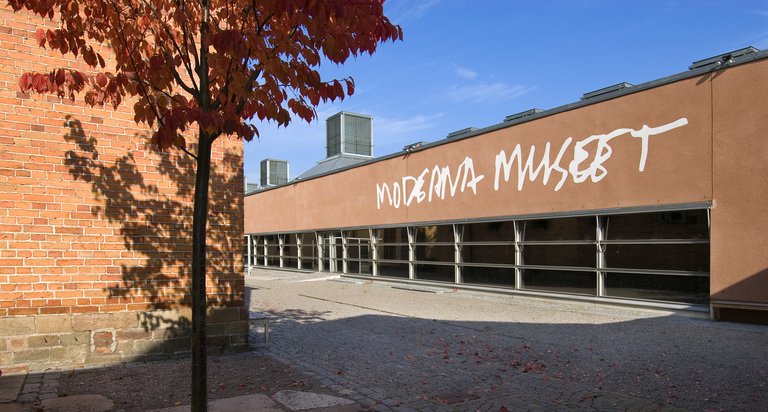
- Moderna Museet: Accessible for wheelchairs, with elevators, hearing loops, sign language tours and guided tours with audio description and tactile elements.
- Fotografiska: The museum on Södermalm is accessible for wheelchairs. Note that the building is older and some parts of the entrance area may require assistance from staff.
- Skansen: The terrain is hilly, but main attractions and the northern part of the zoo are accessible by wheelchair. Manual wheelchairs are available to borrow free of charge on site.
- Royal Armory: Elevators to all floors, audio guide and sign language tours. The entire museum is accessible for wheelchairs.
- Nobel Prize Museum: Accessible for wheelchairs. Audio guides, sign language tours and tactile tours are available.
- Royal Palace: Entrance via ramps. Elevators are available to parts of the palace. Note that full accessibility cannot be guaranteed in all rooms.
Gamla Stan – cobblestone streets
Gamla Stan’s cobblestone streets are charming but challenging for wheelchair users and people using walkers. Stortorget and the wider shopping streets are accessible, but narrower alleys can be difficult to navigate. Consider planning your visit along Västerlånggatan and around Stortorget, where the ground surface is more even.
Parks and outdoor experiences
Djurgården is one of the best options in Stockholm for outdoor experiences with a wheelchair, with well-maintained paths along Djurgårdsbrunnsviken and around Rosendal’s Garden. Smaller trails, however, may be uneven. Kungsträdgården and Humlegården have paved walkways and are easy to navigate. Tantolunden and Vitabergsparken have hills and more uneven terrain, but are often manageable with an electric wheelchair.
Visual and hearing impairments
Several museums in Stockholm offer specific programmes such as guided tours with audio description and sign language interpretation. Availability may vary over time, so check current information with each museum.
SL’s metro and buses provide both visual and audio travel information. Metro stations are equipped with tactile guidance paths for visually impaired travellers.
Call SL’s accessibility helpline +46 20 120 20 22 if you would like more information about accessibility for your journey.
Accessibility in the urban environment
Many pedestrian crossings in Stockholm are designed to make it easier to get around the city. This includes:
- Lowered curbs for wheelchairs, walkers and strollers
- Tactile paving for people with visual impairments
- Clearer contrasts and safer crossings
- An urban environment designed to work better for more people
This makes it easier to explore Stockholm – no matter how you choose to get around the city.
Accessible toilets
Accessible toilets are available throughout Stockholm, both in public spaces and at many museums and transport hubs. The City of Stockholm manages a number of public toilets in both the city centre and surrounding areas, many of which are adapted for people with reduced mobility. Availability may vary over time.
We continuously update this accessibility guide – if you have any questions or feedback, you’re warmly welcome to contact us at +46 8 508 285 08 or touristinfo@stockholm.se